
General Dentistry
Dental cleaning
Teeth cleaning. Why is it so important? Everything you need to know
The cleaning, or scaling, of the teeth is the procedure during which tartar (calculus) and the soft deposits of dental bacterial plaque that accumulate on the teeth are removed.
Tartar and bacterial plaque are the main causes of inflammation in the mouth, initially appearing as gingivitis. At this stage, the patient may notice bleeding while brushing. If left untreated, gingivitis progresses into periodontitis, where not only the gums but also the supporting tissues of the tooth (connective tissue and alveolar bone) become affected. In these cases, the tooth gradually loses its support, leading to the resorption of the bone surrounding it, and eventually, in advanced stages, the tooth becomes mobile.
If these conditions remain untreated, they can lead to tooth loss and, consequently, create problems in chewing ability, nutrition, and the aesthetics of the mouth — and ultimately the aesthetics of the face.
Beyond these consequences, it is important to highlight the negative impact on the patient’s overall health, as recent studies have demonstrated a strong link between gum diseases and other medical conditions, such as diabetes and cardiovascular diseases.
Fortunately, we have a powerful and highly effective tool in our fight against gum disease and in safeguarding our health: prevention. Prevention in dentistry is achieved through daily oral care performed by the patient, combined with the support provided by the dentist through the process of scaling — that is, professional dental cleaning.
During the cleaning, the dentist removes from the surfaces of the teeth all hard deposits commonly referred to as tartar. Tartar cannot be removed by the patient through regular brushing, as special equipment is required for its removal.
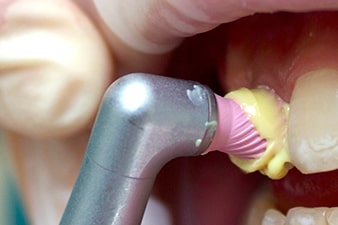
How is teeth cleaning performed? Does the procedure hurt?
As mentioned earlier, teeth cleaning requires special equipment that is only available in a dental clinic.
This equipment is the ultrasonic device. It works through vibration combined with a fine water spray. At the tip of the device, a sterilized metal scaler is attached (sterilized after each patient), which the dentist uses with gentle, controlled movements to remove tartar by “scraping” the tooth surface. This procedure is called dental scaling.
The goal of this process is to remove tartar gently, minimizing any trauma to the gums.
After scaling, the cleaning is completed with polishing. Using a special abrasive paste and a small cup-shaped brush, the dentist removes soft plaque, food debris, and stains caused by smoking, coffee, red wine, or other foods and drinks that discolor the teeth.
The cleaning process is generally painless, and care is taken to apply only the necessary pressure so the patient remains comfortable. For patients with special conditions, such as heightened sensitivity of teeth or gums, there are methods to make the procedure completely painless and comfortable for them as well.
How often should it be done?
Teeth cleaning is usually performed once every six months or once a year, depending on the individual patient’s needs, the rate at which tartar forms, and any specific medical conditions or medications that require more frequent monitoring and cleaning.
In summary
Teeth cleaning (scaling and polishing) is one of the least invasive procedures in dentistry, can be performed painlessly, and is essential both for prevention and for the treatment of gum diseases.
Annual oral check-ups and cleanings are crucial for maintaining good oral health — and overall health — and ideally should become a routine part of everyone’s life.
CASE 1 Young patient before and after teeth cleaning and the renewal of her dental rhinestones.
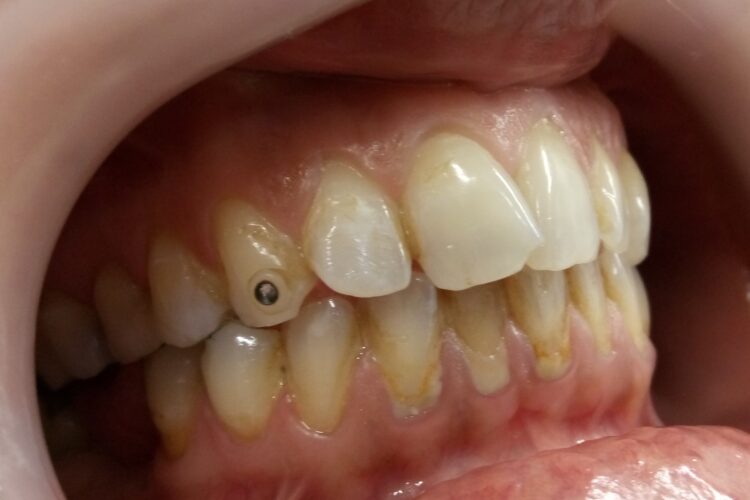
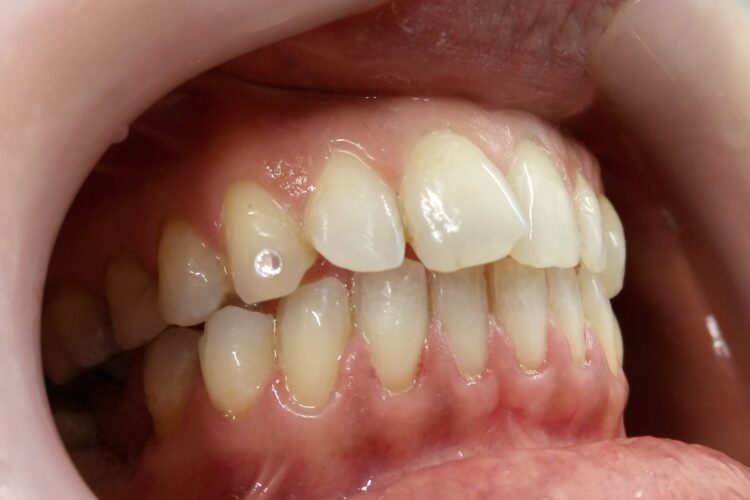
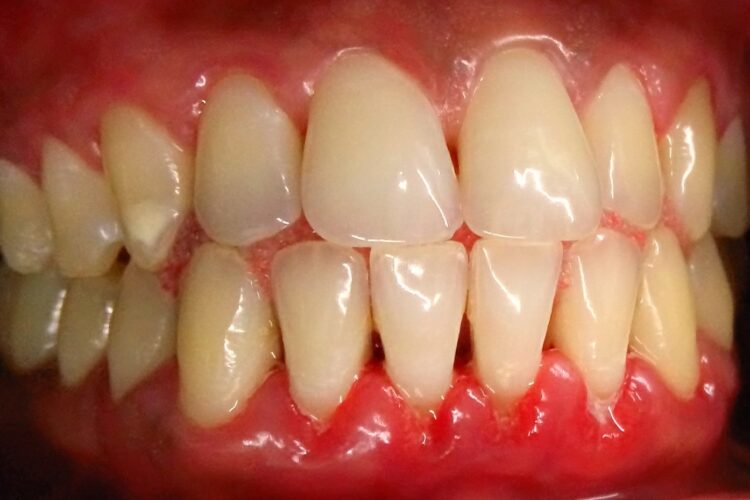
CASE 2 A young patient with a neglected mouth, heavy tartar and plaque buildup, and gingivitis. Notice the difference in the teeth and gums before and immediately after the cleaning.
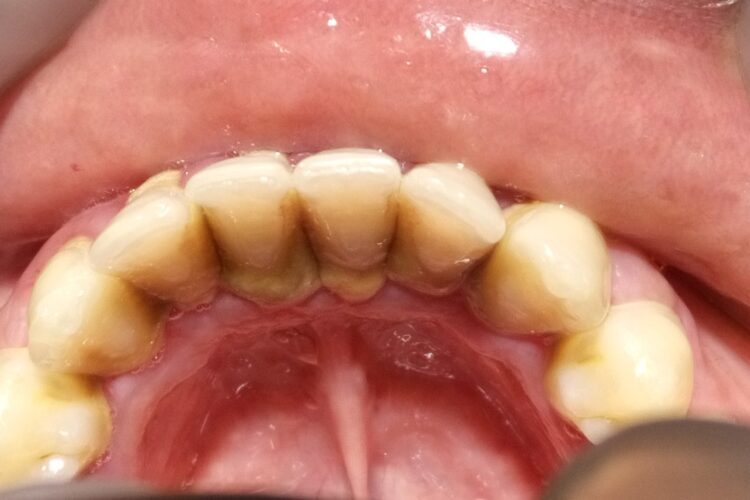
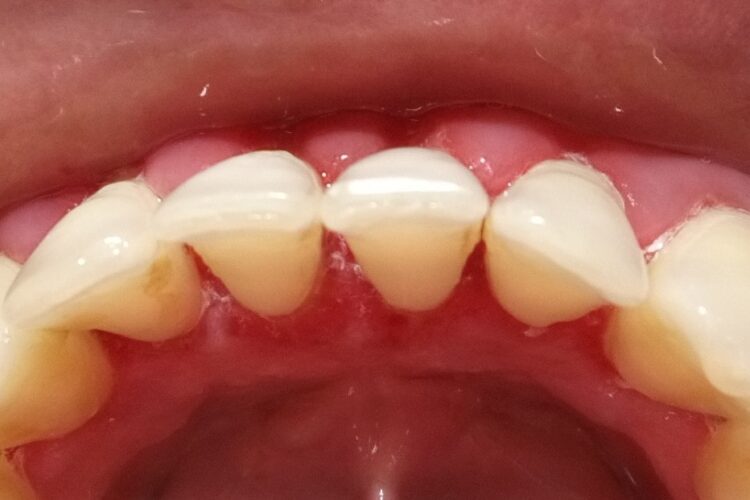
Photo of the same patient, specifically the lower jaw teeth, before cleaning.
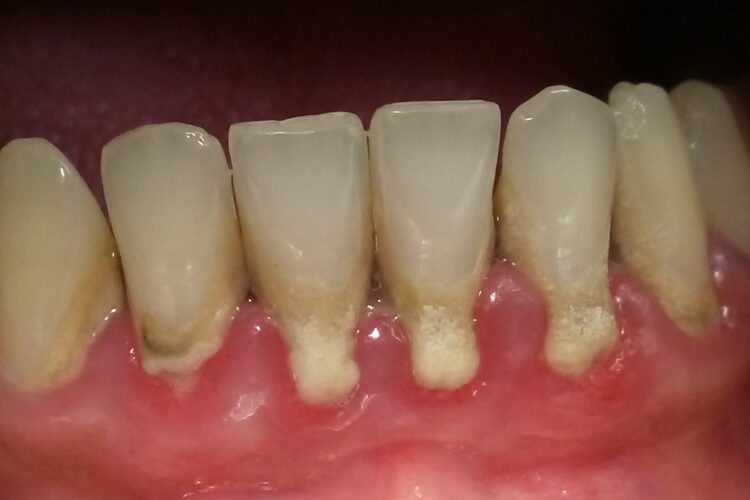
Photo of the patient’s mouth after the completion of the cleaning.
Written by Hara Kouloumpri, Dental Surgeon, Rhodes.
Contact us for an appointment
ΟΔΟΝΤΙΑΤΡΕΙΟ RHODES SMILE
Hara Kouloumpri
Sofias 1, Rodini
85100 Rhodes
Tel. 22410 72723
Mob. 698 078 6526
Email: c.kouloumpri@gmail.com
Website: www.rhodes-smile.com
This post is also available in: Greek