Informative Articles and Tips

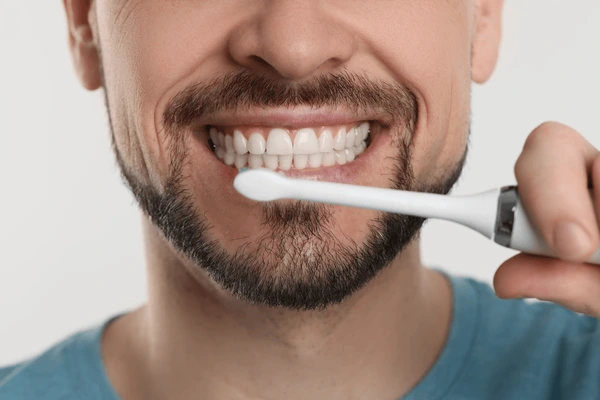
Proper Brushing Technique

The proper technique and ideal frequency of brushing: Everything you need to know for a healthy smile

Daily brushing is a fundamental pillar for maintaining a healthy and bright smile. However, many people do not brush correctly or often enough, which can lead to cavities, gingivitis, and bad breath. This article presents the correct brushing technique, the recommended frequency, and the small details that make a big difference.


How often should we brush our teeth?

Twice a day – morning and night, for at least 2 minutes each time.

Optional after meals: only if 20–30 minutes have passed, especially after consuming acidic foods or drinks.

Why 2 minutes?
Because this is the time required to effectively clean all surfaces of the teeth.


Correct brushing technique – step by step

The technique is as important as the frequency. The most modern and effective method is the Modified Bass technique.

  1. Position at a 45° angle toward the gums
    This allows the brush to gently reach the gum line where plaque accumulates.

  2. Small, gentle circular motions
    Avoid harsh horizontal scrubbing, which can damage gums and cause wear.

  3. Clean all surfaces
    Outer, inner, and chewing surfaces. Divide the mouth into 4 “quadrants” and spend about 30 seconds on each.

  4. Don’t forget the tongue
    The tongue harbors a significant number of bacteria and strongly affects breath.


Which toothbrush is suitable?

There is no single “ideal” toothbrush for everyone. The choice depends on:

  • The shape of the teeth and gums

  • The brushing technique used by the individual

  • The level of plaque and presence of gingivitis or sensitivity

Electric or manual?

  • Electric: Helps maintain uniform motion and pressure control.

  • Manual: Equally effective when used correctly with proper technique.

How often should a toothbrush be replaced?
Every 3 months, or sooner if the bristles become frayed.


How much toothpaste should I use?

  • Adults: a pea-sized amount

  • Children 3–6 years old: half a pea-sized amount

Fluoride toothpaste is recommended to strengthen enamel and prevent cavities.


Common brushing mistakes

  • Brushing for less than 2 minutes

  • Applying excessive pressure

  • Ignoring the gum line

  • Skipping back teeth

  • Brushing immediately after acidic foods

  • Not using dental floss or interdental brushes


Conclusion

Correct brushing, the right duration, and consistent oral care are the most effective ways to prevent cavities and gum disease. With just 4 minutes a day using the proper technique, your smile can remain healthy and bright.

For personalized advice, brushing technique guidance, and a complete dental check-up, you can book an appointment at our dental clinic in Rhodes.

Written by Hara Kouloumpri, Dental Surgeon, Rhodes.

Contact us to schedule an appointment

RHODES SMILE DENTAL CLINIC
Hara Kouloumpri
1 Sofias Street, Rodini
85100 Rhodes, Greece
Tel: 22410 72723
Mobile 698 078 6526
Email: c.kouloumpri@gmail.com
Website: www.rhodes-smile.com

This post is also available in: Greek

Share:

Correct Use of Dental Floss

Guide to Proper Flossing: The Key to Healthy Gums and Clean Teeth

Dental floss is one of the most important tools for daily oral hygiene — and at the same time one of the most misunderstood. Although many people believe brushing is enough, the truth is that no toothbrush can effectively clean the spaces between the teeth. This is exactly where dental floss works, removing plaque and food debris from areas that would otherwise lead to cavities and gum disease.

In this article, you will learn when, how, and why you should use dental floss daily.


Why is dental floss essential?

  • Cleans the interdental spaces where the toothbrush cannot reach.

  • Prevents gingivitis by removing plaque along the gumline.

  • Reduces the risk of cavities, which often develop between teeth.

  • Significantly improves breath by reducing food debris retention.

  • Enhances overall oral hygiene, making brushing more effective.


How often should we floss?

Dentists agree:

👉 Once a day
Ideally at night, before brushing.

This removes food particles and plaque that accumulated throughout the day, allowing the toothpaste to work more effectively.


How to use dental floss properly – Step by Step

1. Use 40–45 cm of floss
Wrap the ends around your middle fingers and leave a 2–3 cm working section between them.

2. Guide the floss gently between the teeth
Make small horizontal movements to pass it through without injuring the gums.

3. “Hug” the tooth in a C-shape
Curve the floss around one side of the tooth to clean the entire surface up to the gumline.

4. Move gently up and down
Avoid pressing forcefully. Movements should be small and controlled.

5. Repeat on the other side of the same space
Each gap has two tooth surfaces, both of which need cleaning.

6. Use a clean section of floss for each tooth
Shift the floss on your fingers so you always use a fresh part.


Does floss make teeth “loosen” or move apart?

No. Dental floss does not change the position of the teeth.
If it feels like it’s “getting stuck,” it may indicate:

  • plaque or tartar,

  • early cavity,

  • a faulty filling,

  • a tight interdental space.

In these cases, flossing is even more important and should be evaluated by a dentist.


Which type of floss should I choose?

  • Waxed floss: easier to use; slides more smoothly.

  • Unwaxed floss: slightly better cleaning but may catch more easily.

  • Floss picks: good for beginners or children, but less effective than classic floss.

  • Superfloss: ideal for bridges, braces, and wider spaces.

Your dentist can recommend the best option for your needs.


Common mistakes to avoid

  • Snapping the floss down onto the gums

  • Using too short a piece of floss

  • Skipping surfaces

  • Using floss before interdental brushes (if recommended)

  • Not flossing daily


Conclusion

Dental floss is one of the simplest yet most crucial steps for a healthy mouth. With just 2–3 minutes a day, you can prevent gingivitis, bad breath, and cavities, keeping your teeth and gums strong for many years.

For personalized guidance on proper technique and a full dental check-up, we are always here to help.

Written by Hara Kouloumpri, Dental Surgeon, Rhodes.

Contact us to schedule an appointment

RHODES SMILE DENTAL CLINIC
Hara Kouloumpri
1 Sofias Street, Rodini
85100 Rhodes, Greece
Tel: 22410 72723
Mobile 698 078 6526
Email: c.kouloumpri@gmail.com
Website: www.rhodes-smile.com

This post is also available in: Greek

Share:

The Role of Nutrition in Dental Health

How Nutrition Affects Dental Health: The Complete Guide to a Strong Smile

Oral health is not determined only by brushing and dental visits. Nutrition plays a crucial role in the strength of the enamel, plaque buildup, and gum health. Our everyday choices — from drinks to snacks — can either strengthen or damage our smile.

In this article, you will learn which foods protect your teeth, which ones harm them, how sugars and acids work inside the mouth, and which habits help maintain a healthy oral environment.


How does food affect our teeth?

Every time we eat or drink, a “chemical reaction” takes place in the mouth:

  • The bacteria in dental plaque feed on sugars → producing acids.

  • These acids cause demineralization of enamel, making it weaker.

  • If this happens repeatedly, it leads to tooth decay.

Certain foods can also irritate the gums, causing inflammation and gingivitis.

So it’s not only what we eat — but also how and when we eat it.


Foods & habits that damage teeth

1. Sugar and "hidden" sugars

It’s not just sweets.
Many foods contain sugars we don’t expect:

  • ready-made sauces

  • cereals

  • energy bars

  • smoothies

  • flavored yogurts

Sugars → feed bacteria → produce more plaque → increase the risk of cavities.


2. Acidic foods and drinks

Acids erode tooth enamel.

Problematic choices include:

  • soft drinks (with or without sugar)

  • energy drinks

  • fruit juices

  • lemon and acidic fruits

  • vinegar & dressings

Tip: Never brush immediately after acidic foods or drinks. Wait 20–30 minutes.


3. Frequent snacking throughout the day

It’s not just what you eat — but how often.
Each time we snack, the mouth’s pH drops (becomes more acidic), making enamel vulnerable.


4. Sticky and soft foods

These stick to the teeth and remain for a long time:

  • caramel candies

  • dried fruits

  • soft cereal bars

They require extra cleaning.


Foods that protect and strengthen teeth

1. Calcium-rich foods

They strengthen enamel and bones:

  • milk, yogurt, cheese

  • almonds

  • broccoli

  • sardines

Cheese especially increases mouth pH → making it protective.


2. Phosphorus-rich foods

Works together with calcium to strengthen enamel:

  • eggs

  • fish

  • chicken

  • legumes


3. Vitamin D–rich foods

Without vitamin D, the body cannot absorb calcium properly:

  • fatty fish

  • eggs

  • fortified foods


4. High-fiber fruits & vegetables

They stimulate saliva flow — the mouth’s natural defense.

Good options: apples, carrots, celery, leafy greens.


5. Water — the simplest ally

Water:

  • washes away acids

  • removes food debris

  • increases saliva flow

Tap water with fluoride offers extra protection.


Important dietary habits for healthy teeth

1. Eat sweets after a full meal

Not as a separate snack.
During meals, saliva production is higher → neutralizes acids more effectively.


2. Choose whole fruits instead of juices

Juices contain far more concentrated sugars and acids.


3. Reduce soft drinks and ready-made beverages

Even "sugar-free" options can erode enamel due to high acidity.


4. Use a straw for acidic drinks

Reduces contact with teeth.


5. Chew sugar-free gum

It increases saliva and neutralizes acids.
Xylitol = extra anti-cavity benefits.


What about low-carb or vegan diets?

Low carb / keto

Often cause dry mouth → increased cavity risk.
Hydration and saliva substitutes may be necessary.

Vegan diet

Pay attention to calcium, vitamin D, and B12 intake.
Many plant milks are fortified — check the label.


Conclusion

Nutrition is one of the most important factors for dental health.
It can protect your smile, strengthen enamel, and drastically reduce the risk of cavities and gum disease — or it can significantly harm oral health, even if brushing is done correctly.

With smart choices, balanced meals, and proper oral hygiene, we can maintain a strong, beautiful smile at any age.


Written by Hara Kouloumpri, Dental Surgeon, Rhodes.

Contact us to schedule an appointment

RHODES SMILE DENTAL CLINIC
Hara Kouloumpri
1 Sofias Street, Rodini
85100 Rhodes, Greece
Tel: 22410 72723
Mobile 698 078 6526
Email: c.kouloumpri@gmail.com
Website: www.rhodes-smile.com

This post is also available in: Greek

Share:

The Role of Stress in Oral Health

The Role of Stress in Oral Health: How It Affects Teeth, Gums, and Overall Well-Being

Stress has become part of daily life for many people. Although we often talk about its impact on mental and physical health, few realize that it also directly affects oral health. From teeth grinding to dry mouth and inflammation, stress can create or worsen problems in the mouth—often without us noticing.

In this article, we will explain how stress affects the mouth, the symptoms to watch for, and practical solutions.


How is stress related to oral health?

When the body is under stress, the “fight or flight” mechanisms are activated. These influence:

  • the function of the nervous system,

  • saliva production,

  • the jaw muscles,

  • the healing process,

  • and the immune system.

The result is a series of oral conditions that are often underestimated.


1. Bruxism (teeth grinding or clenching)

Bruxism is one of the most common manifestations of stress.

Symptoms:

  • jaw pain or muscle fatigue,

  • headaches, especially in the morning,

  • tight or sore temporalis muscles,

  • tooth wear,

  • cracks in fillings or restorations.

People often don’t realize they are clenching—especially at night.

Consequences:

Constant pressure on the teeth and jaw joints can cause pain, sensitivity, and even temporomandibular joint (TMJ) issues.


2. Dry mouth (xerostomia)

Stress decreases saliva production, which is our natural protective mechanism.

Dry mouth can cause:

  • increased risk of cavities,

  • bad breath,

  • difficulty swallowing,

  • burning sensation on the tongue,

  • gum problems.

Saliva neutralizes acids and protects enamel—without it, the teeth become vulnerable.


3. Gingivitis and gum inflammation

Stress affects the immune system, reducing the body's ability to fight plaque bacteria.

As a result:

  • gums bleed easily,

  • swelling,

  • redness,

  • higher risk of periodontitis in predisposed individuals.

Stress does not cause gingivitis on its own—but it makes it more persistent and harder to treat.


4. Canker sores and other oral lesions

During periods of intense stress, many people experience:

  • mouth ulcers,

  • stomatitis,

  • irritations from biting cheeks, lips, or tongue.

Stress weakens tissue defenses and slows healing.


5. Poor eating habits caused by stress

Stress often leads to:

  • excessive sugar intake,

  • snacking throughout the day,

  • increased coffee consumption,

  • frequent acidic drinks (soft drinks, energy drinks),

  • neglect of oral hygiene.

More acids and sugars in the mouth result in higher risk of cavities and enamel erosion.


6. Mouth breathing

Stress and tension can cause shallow or rapid breathing—often through the mouth.

This leads to:

  • dry mouth,

  • gum inflammation,

  • bad breath,

  • increased risk of cavities.


How can we protect ourselves? Practical solutions

1. Custom night guard for bruxism

Protects the teeth, reduces muscle tension, and prevents wear.

2. Good oral hygiene

  • brushing 2×2 minutes,

  • daily flossing,

  • interdental brushes when needed.

3. Hydration & saliva substitutes

Special products for dry mouth can be very helpful.

4. Reduce coffee, alcohol, and acidic drinks

These increase dryness and enamel erosion.

5. Stress management

  • breathing exercises,

  • short breaks at work,

  • walking,

  • mindfulness,

  • psychotherapy when necessary.

6. Regular dental check-ups

To detect wear, gum inflammation, or signs of bruxism early.


Conclusion

Stress is not just a psychological issue — it can significantly affect oral health. From grinding and clenching to dry mouth and inflammation, its effects can be silent but impactful. With proper information, preventive measures, and regular dental check-ups, we can effectively protect our smile.

Written by Ηara Kouloumpri, Dental Surgeon, Rhodes.

Contact us to schedule an appointment

RHODES SMILE DENTAL CLINIC
Ηara Kouloumpri
1 Sofias Street, Rodini
85100 Rhodes, Greece
Tel: 22410 72723
Mobile 698 078 6526
Email: c.kouloumpri@gmail.com
Website: www.rhodes-smile.com

This post is also available in: Greek

Share:

+30 22410 72723

+30 698 078 6526

Appointment

c.kouloumpri@gmail.com

Rodini, Rhodes

Sofias 1